The Zero-Click Search Era Is Already Here
Most searches now end without a click. What that quietly does to a small business pipeline, and how to stay visible when the answer appears before your website does.
Published

A zero-click search is one that ends without the person clicking through to any website, because the answer, map, or AI summary they needed appeared right on the results page. These searches now make up the majority of Google searches, and AI assistants push the share higher still. If your marketing measures success only in website visits, you’re missing most of what’s happening.
How we got here
Zero-click searches aren’t new. Google has been answering questions directly for years with weather, sports scores, calculators, definitions, and featured snippets. A widely cited 2024 study by SparkToro and Datos estimated that close to 60% of Google searches in the U.S. ended without a click to the open web.
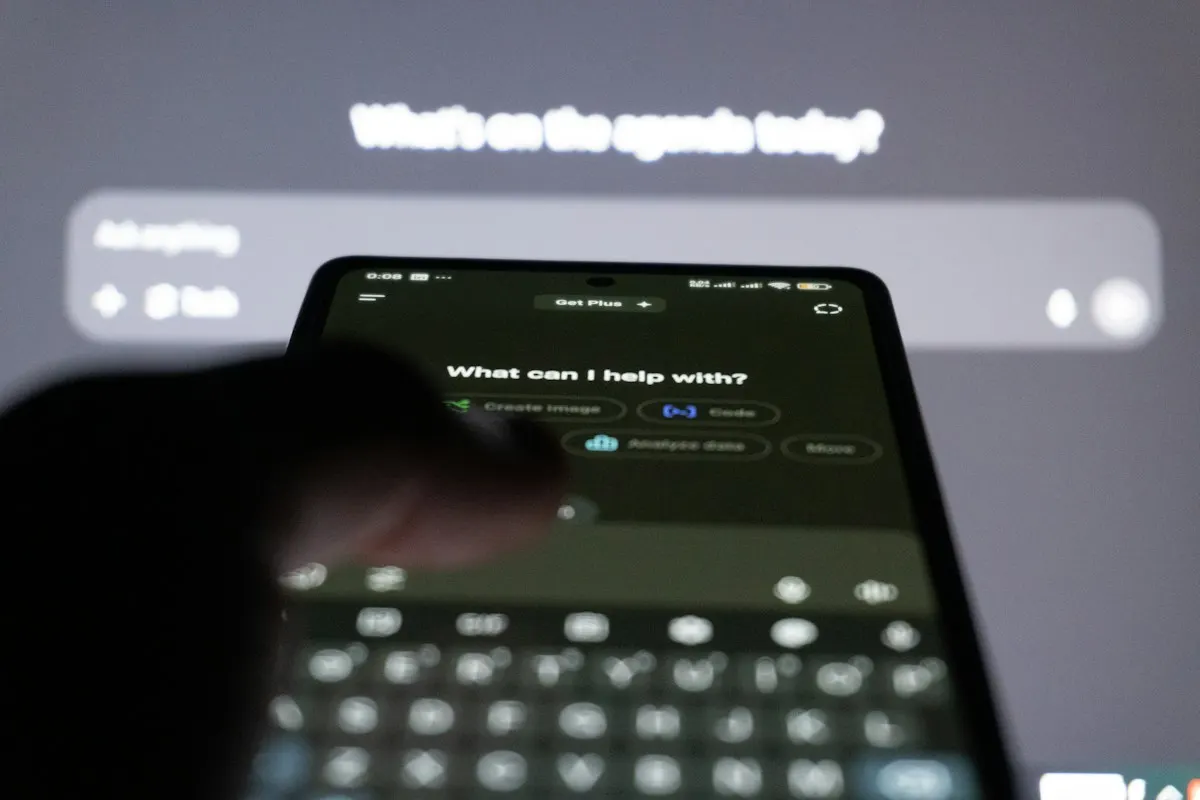
What changed is the depth of the answers. Google’s AI Overviews now summarize answers to complex questions at the top of the page. ChatGPT, Gemini, and Claude answer questions conversationally and recommend specific businesses. Many people get what they need without ever visiting a website.
What it does to a small business pipeline
The effects are quiet, which is what makes them easy to miss:
- Fewer clicks on informational searches. Questions like “how long does a water heater last” increasingly get answered on the results page.
- Flat or falling traffic, even when visibility rises. Search Console may show impressions climbing while clicks don’t follow.
- More decisions happen before the visit. By the time someone clicks, they’ve often already compared you in a map pack or an AI summary.
- The calls still come, but from new places. Many local customers call directly from your Google Business Profile or an AI answer without ever touching your site.
The risk isn’t that search stopped working. It’s that you can’t see how much it’s still working for you if you only count website sessions.
How to stay visible
Be the answer, not just the link
Write your key pages answer-first. If someone asks how much a service costs, how long it takes, or whether you serve their area, answer in the first sentence, then add depth. That’s the passage AI Overviews and assistants quote. See AEO vs. SEO for more on the format.
Make your Business Profile do the work
For local businesses, your Google Business Profile is often the “website” people actually use: hours, photos, reviews, calls, directions, and messages. Keep it complete, current, and active.
Get named in AI answers
Consistent facts everywhere, strong reviews, and structured data all make it easier for AI assistants to name you with confidence.
Give people a reason to click
Some things can’t be summarized in a sentence: pricing calculators, project galleries, detailed comparisons, booking, and real expertise. Pages that offer more than the summary still earn the click.
Measure what’s really happening
Stop judging search by sessions alone. Track:
- Impressions in Search Console, a better measure of visibility than clicks now
- Calls, direction requests, and website clicks from your Google Business Profile
- AI mentions and referrals, using the methods in How to Track When an AI Actually Cites You
- Leads by source: ask every new customer how they found you
The takeaway
Zero-click doesn’t mean zero value. It means more of your marketing happens before anyone reaches your website. The businesses that win are the ones that show up correctly in every one of those places, and still give people a great reason to click when they do. That’s the work of AI SEO and Local SEO.